

round mirror with backlight
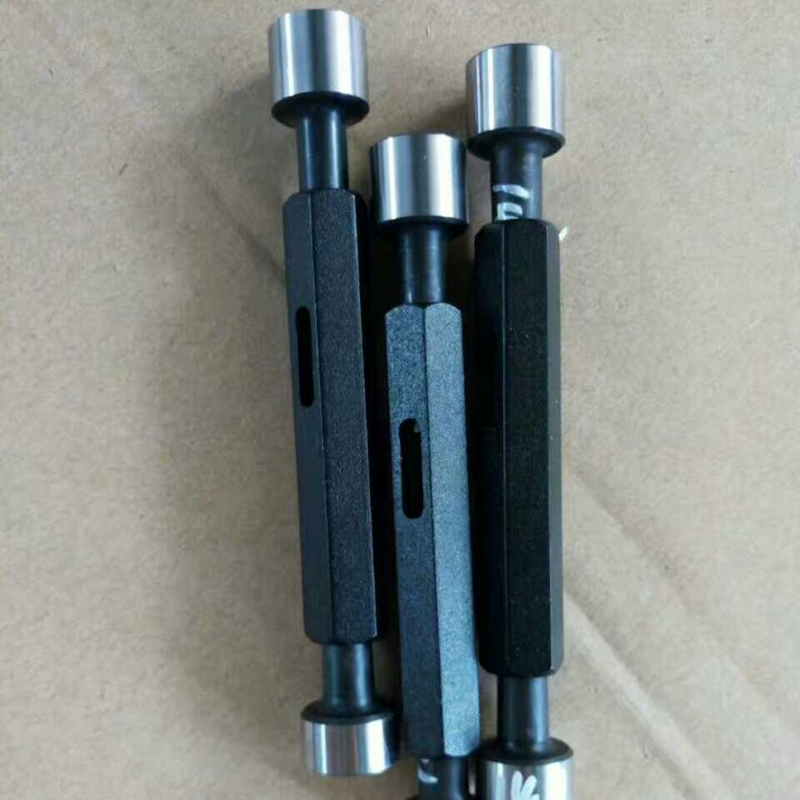
Precision thread gauges are an essential tool in the manufacturing and machining industries. These gauges ensure that the threads on nuts, bolts, and screws are within the specified tolerances and meet the required standards. They play a crucial role in ensuring the quality and accuracy of threaded components, as well as in maintaining the safety and reliability of machinery and equipment. Precision thread gauges are typically made from high-quality materials such as tool steel, tungsten carbide, or ceramic. They are meticulously manufactured and calibrated to exacting standards to ensure accuracy and reliability. Thread gauges come in various types and sizes to accommodate different thread sizes and pitch specifications. One of the key advantages of using precision thread gauges is their ability to quickly and accurately check the quality of threaded components. By simply gauging the threads against the gauge, manufacturers can easily determine if the threads meet the required specifications or if they need to be reworked. This helps to reduce the risk of defects and ensures that the final products are of high quality precision thread gauges . Furthermore, precision thread gauges are also essential for ensuring the interchangeability of threaded components. By using standard thread gauges, manufacturers can ensure that their products are compatible with other components of the same size and thread pitch. This is crucial for industries such as aerospace, automotive, and construction, where precision and interchangeability are critical factors. In addition to checking the quality of threads, precision thread gauges are also used for inspecting the pitch diameter, thread form, and lead of threads. These gauges are designed to accurately measure these parameters and provide manufacturers with valuable information about the quality and consistency of their threaded components. Overall, precision thread gauges play a vital role in ensuring the quality, accuracy, and interchangeability of threaded components. They help manufacturers to maintain high standards of quality, reduce the risk of defects, and ensure the safety and reliability of machinery and equipment. With their precision and accuracy, thread gauges are indispensable tools for any manufacturer or machinist working with threaded components.
about
round mirror with backlight
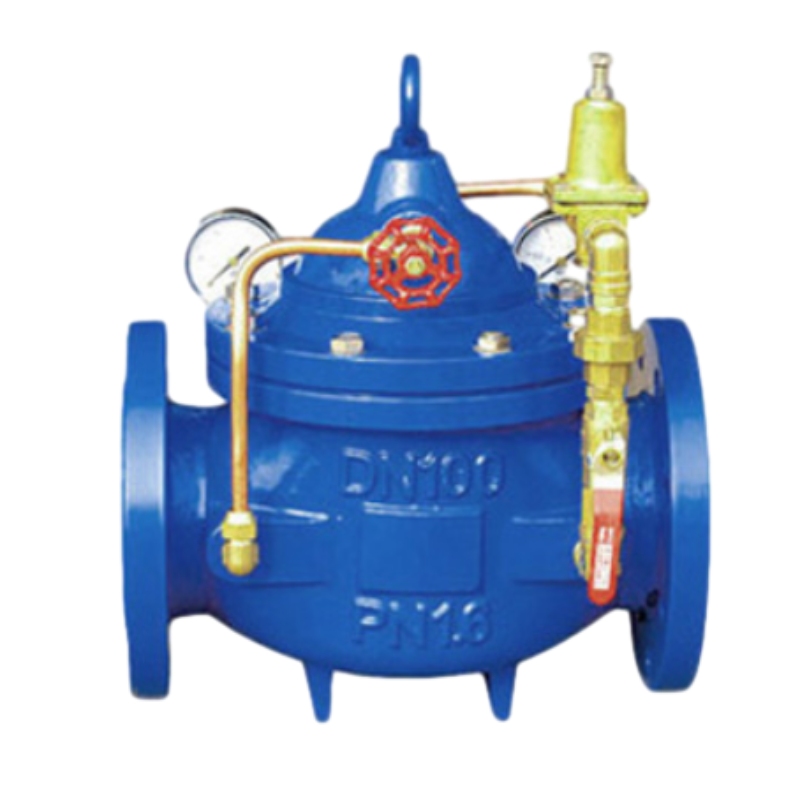
Understanding Pilot Controlled Check Valves An Overview Pilot controlled check valves play a crucial role in hydraulic systems by ensuring fluid flows in a controlled manner. This type of valve is designed to prevent backflow while allowing for smooth forward flow under certain conditions, making it an essential component in various industrial applications. In this article, we will explore the functionality, advantages, and applications of pilot controlled check valves. What are Pilot Controlled Check Valves? A pilot controlled check valve is a specialized type of check valve that utilizes a pilot line to control its operation. Traditional check valves rely on the pressure of the fluid itself to operate, allowing flow in one direction while preventing it in the opposite direction. However, pilot controlled check valves add an additional layer of functionality by incorporating a pilot signal, usually from a hydraulic pilot line, to modulate the valve's state. When the pilot signal is activated, it can overcome the resistance of the check valve, allowing flow in the reverse direction. This unique feature enables systems to manage flow direction more effectively, especially in applications where changes in flow direction are necessary. How Do Pilot Controlled Check Valves Work? The operation of pilot controlled check valves involves two key components the check valve itself and the pilot control mechanism. The check valve may consist of a poppet or ball design that opens or closes based on pressure differentials. 1. Flow in Forward Direction When fluid flows in the intended forward direction, the pressure is sufficient to keep the check valve open, allowing for continuous flow throughout the system. 2. Pilot Activation When there is a need to change the flow direction or to allow backflow, a hydraulic signal is sent through the pilot line. This pilot pressure acts on a piston or diaphragm, enabling the valve to open against the backward flow. 3. Backflow Prevention If the pilot signal is not present, the check valve remains closed, preventing any backflow. This feature is vital for ensuring safety and efficiency in hydraulic systems, as backflow can lead to equipment damage or inefficient operations. Advantages of Pilot Controlled Check Valves Pilot controlled check valves offer several advantages over traditional check valves 1. Versatility These valves can adapt to different operational conditions, allowing for controlled backflow and flow reversal as required. pilot controlled check valve 2. Enhanced Control By utilizing a pilot signal, operators can manage the flow direction more precisely, enabling complex hydraulic operations without the risk of backflow . 3. Reduced Pressure Drop Since these valves can be opened by a pilot signal, they often maintain lower pressure drops in the system compared to conventional check valves, which can lead to improved overall system efficiency. 4. Improved Safety The prevention of unintentional backflow helps to protect the hydraulic system and its components, mitigating risks associated with pressure fluctuations. 5. Simplified System Design Incorporating pilot controlled check valves can often lead to simpler circuit designs, reducing the need for multiple components and enhancing system reliability. Applications of Pilot Controlled Check Valves Pilot controlled check valves are widely used across various industries, including 1. Mobile Equipment In construction and agricultural machinery, these valves are integral in controlling fluid movement in hydraulic actuators, ensuring smooth operation under varying load conditions. 2. Manufacturing In automated assembly lines, pilot controlled check valves help maintain precise flow control, enhancing equipment performance and safety. 3. Oil and Gas These valves are crucial in offshore and onshore operations, managing fluid movements and preventing hazardous backflows in pipeline systems. 4. Aviation In aircraft hydraulic systems, pilot controlled check valves help manage pressures and fluid flow in critical systems, ensuring safety and functionality during flight. 5. Marine Engineering In marine vessels, these valves facilitate efficient control of ballast and other fluid systems, contributing to vessel stability and safety. Conclusion Pilot controlled check valves are essential components in modern hydraulic systems, offering superior control, safety, and efficiency. Their ability to manage flow direction and prevent backflow makes them invaluable in various applications, from mobile equipment to industrial processes. As technology continues to advance, the versatility and functionality of these valves will likely enhance their importance in hydraulic engineering and industrial applications. Understanding their operation and benefits can lead to more effective use and optimization in various systems, paving the way for innovation in hydraulic technology.
-

High quality industrial productsagement

High quality industrial products
View Details -

Meet the diverse needs of customers

Meet the diverse needs of customers
View Details -

Strict quality control

Strict quality control
View Details -

Top raw materials

Top raw materials
View Details -

Trusted supplier

Trusted supplier
View Details
Our application

news and information
Water Valve Shutoff System for Efficient Water Management and Control
Understanding Water Valve Shutoff Key Insights for Homeowners Water valves are essential components
Válvula de puerta de 450mm
Válvula de compuerta de 450 mm Una Solución Eficiente para el Control de Fluido Las válvulas de comp

Vannvalver
Typer Vannventiler Vannventiler er avgjørende komponenter i både husholdninger og industriell infras
 English